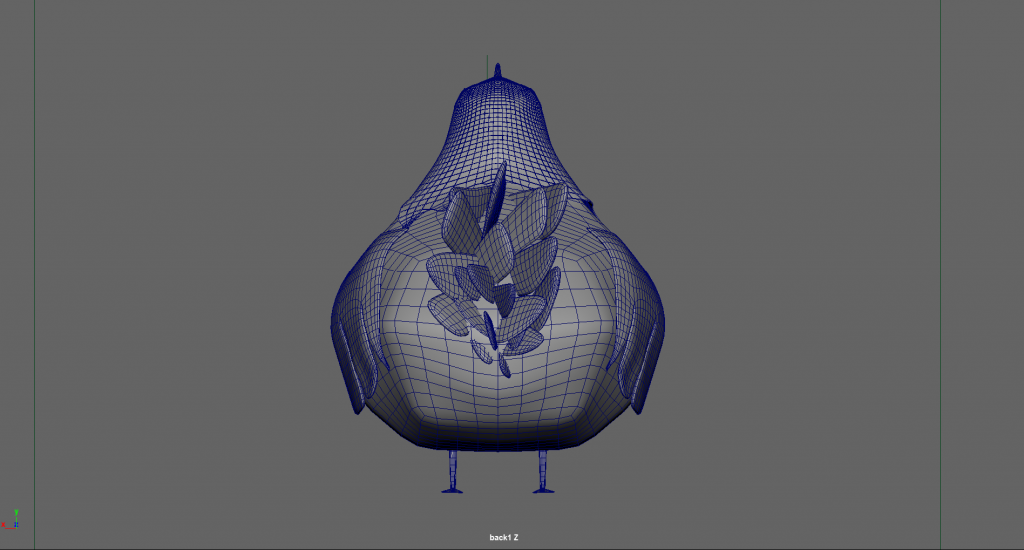
Studying animation in class recently has been really rewarding. Because animation and its related disciplines cover such a broad range of skills, there is always so much to learn. Throughout animation learning, I want to experiment as widely as possible and experience different creative methods and workflows. At the same time, I am making a conscious effort to improve my skills in specific areas so that I can meet the specialized demands of the industry in the future.
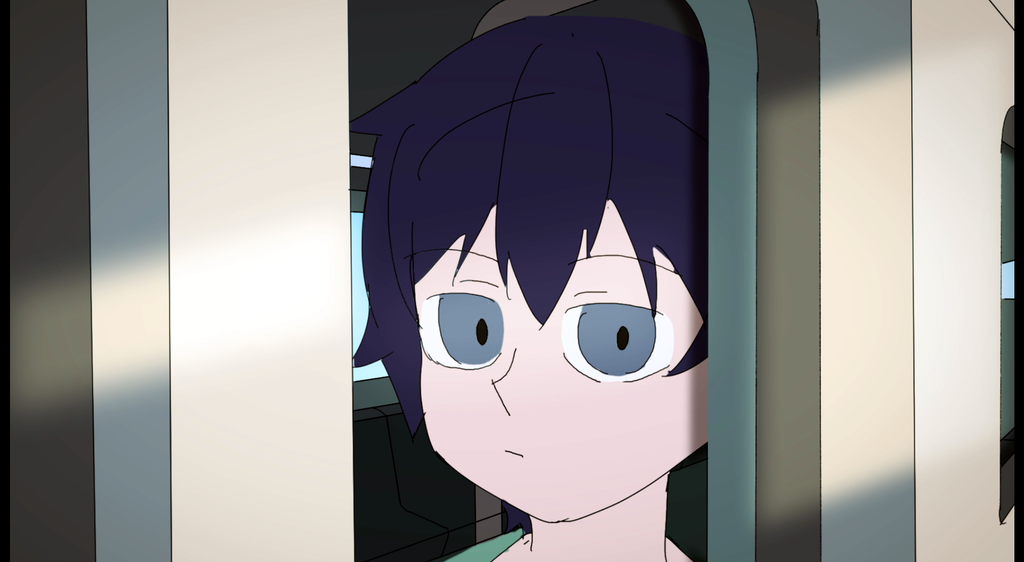
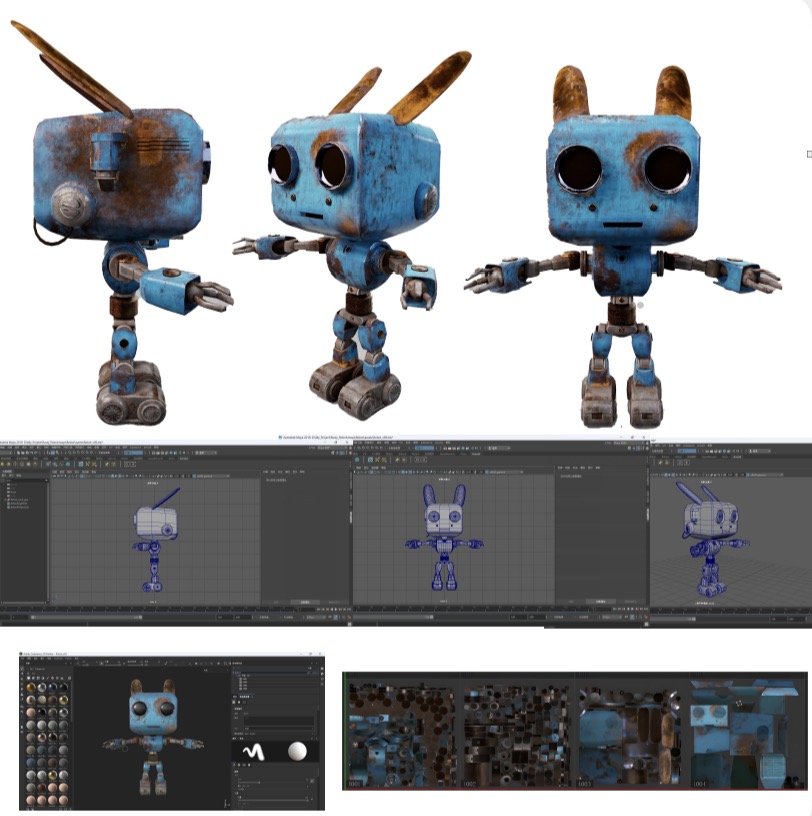
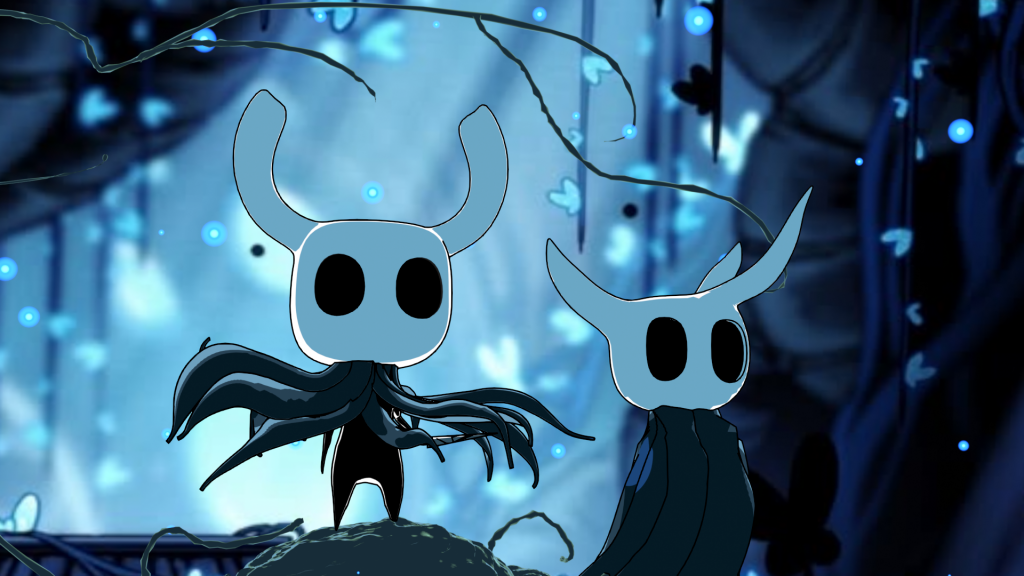
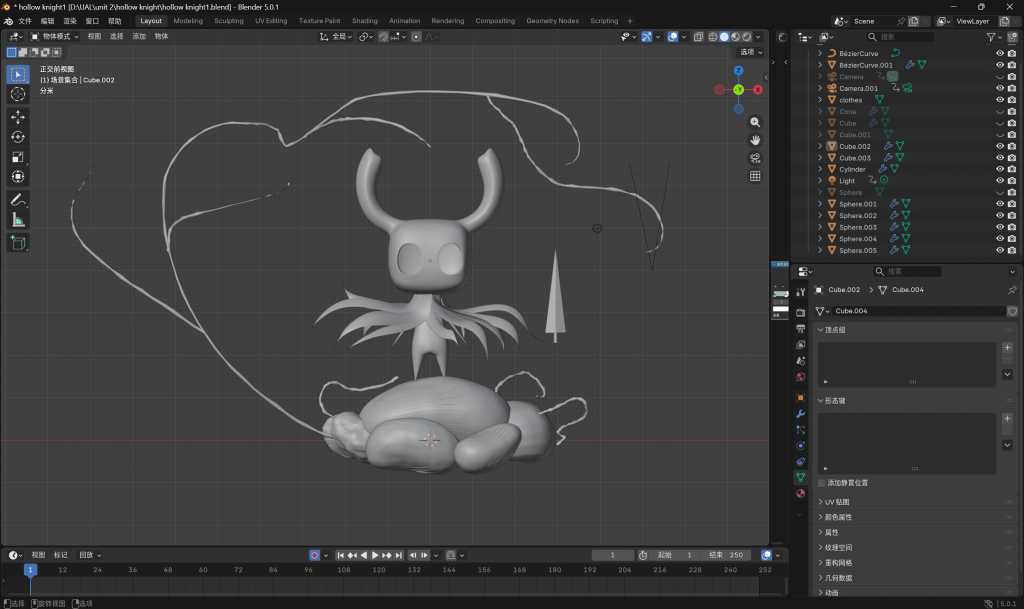
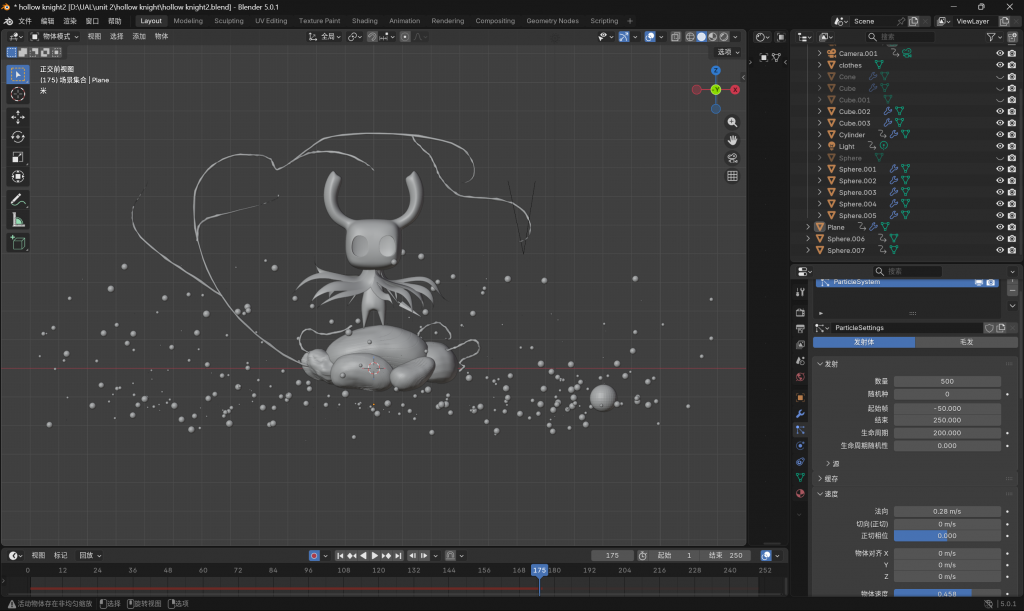
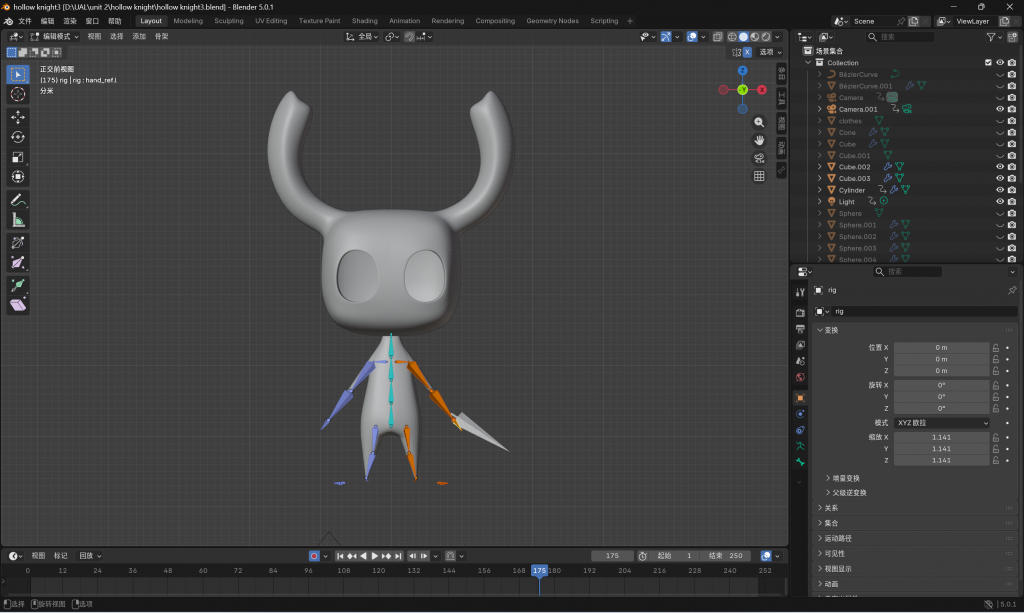
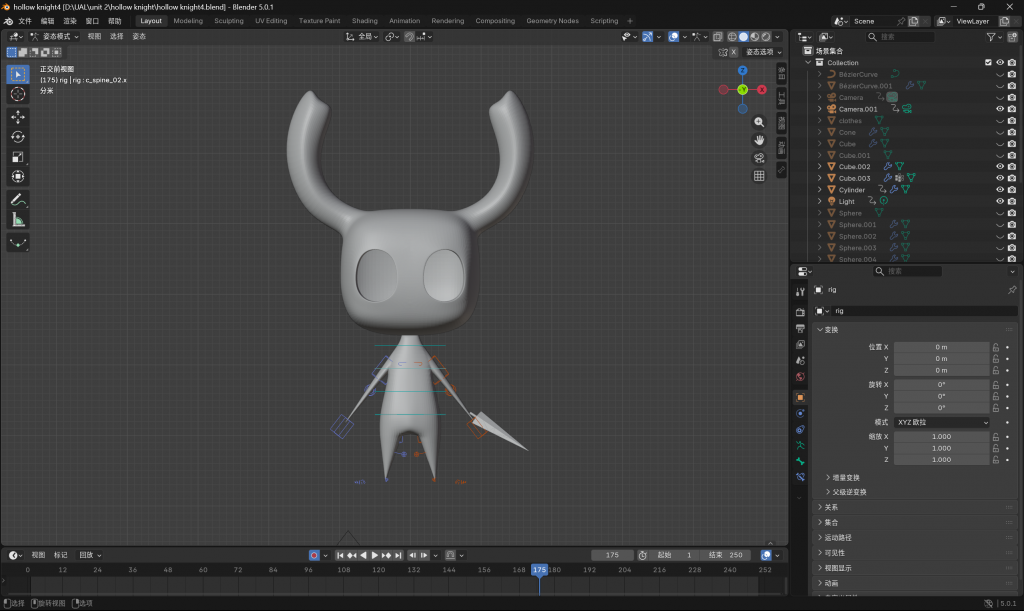
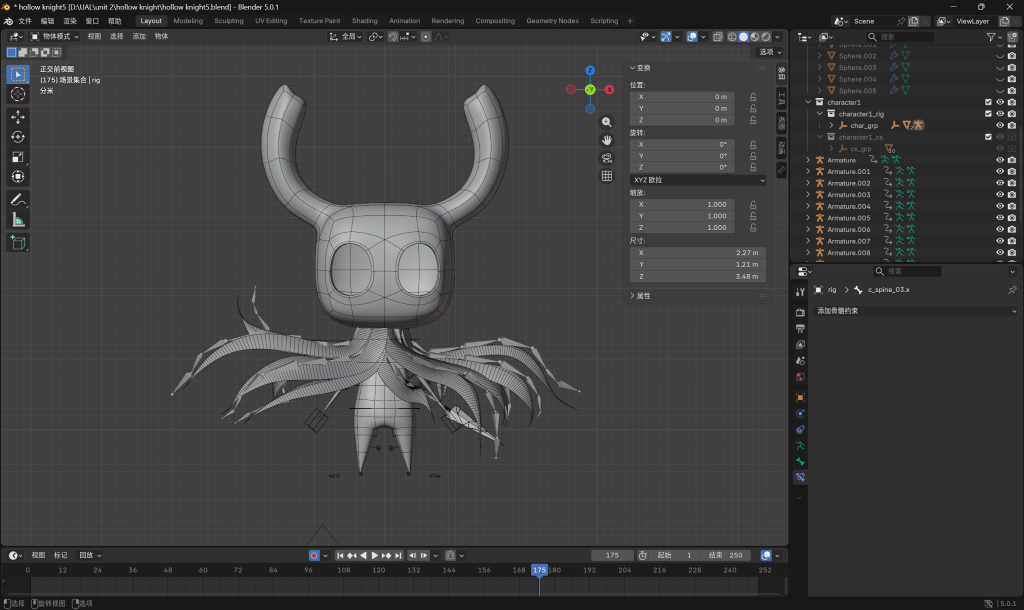
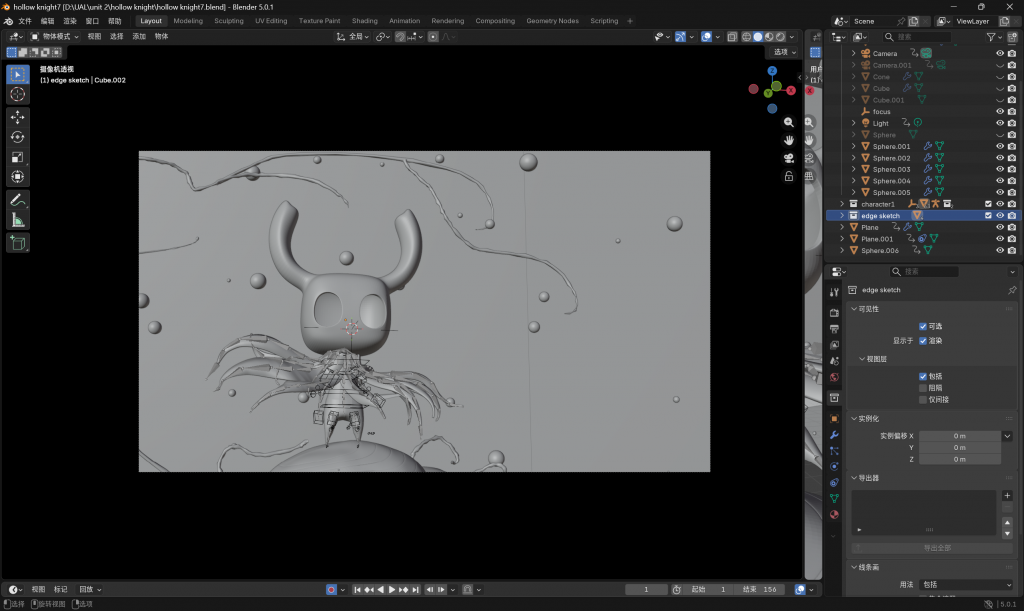
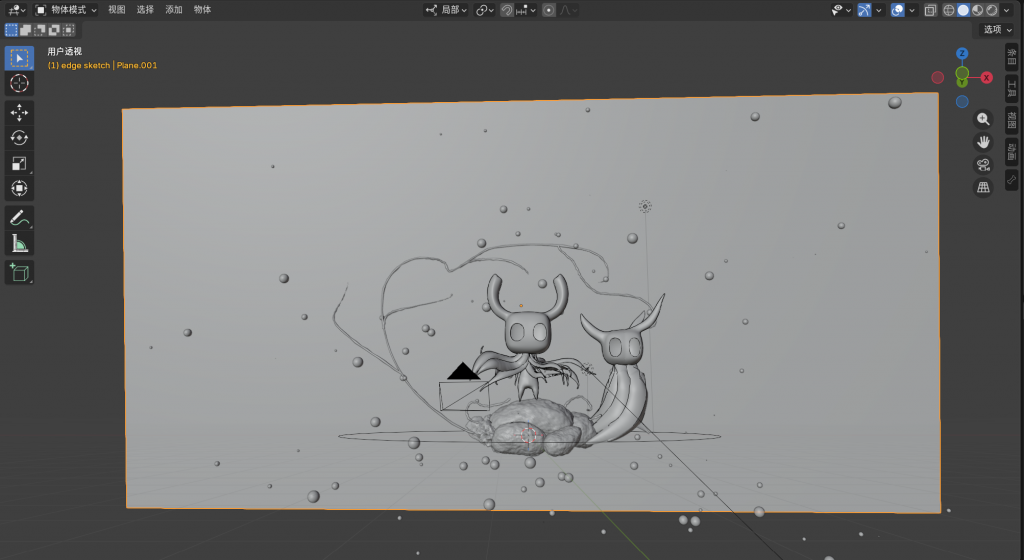
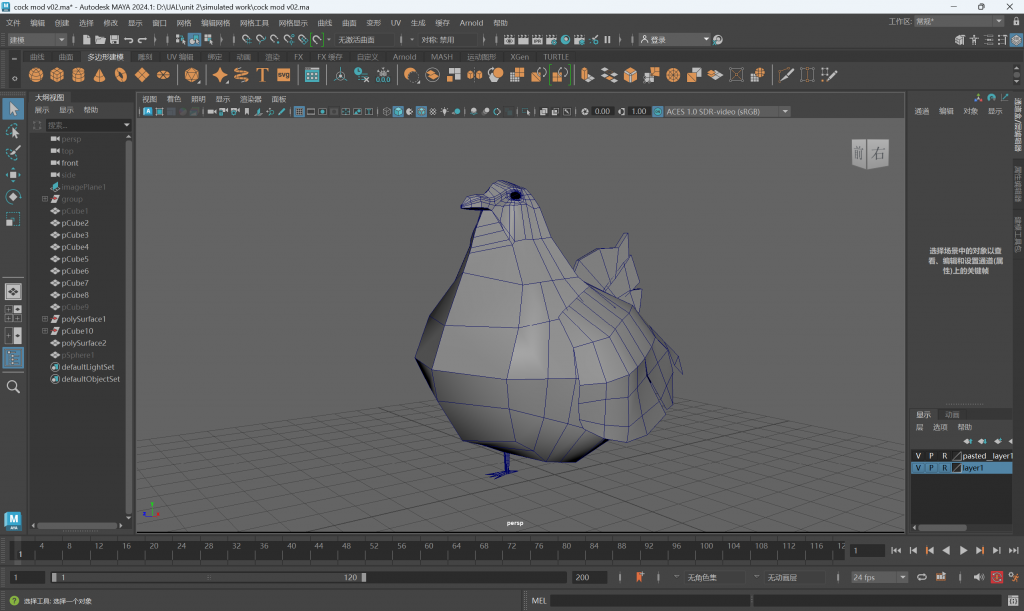
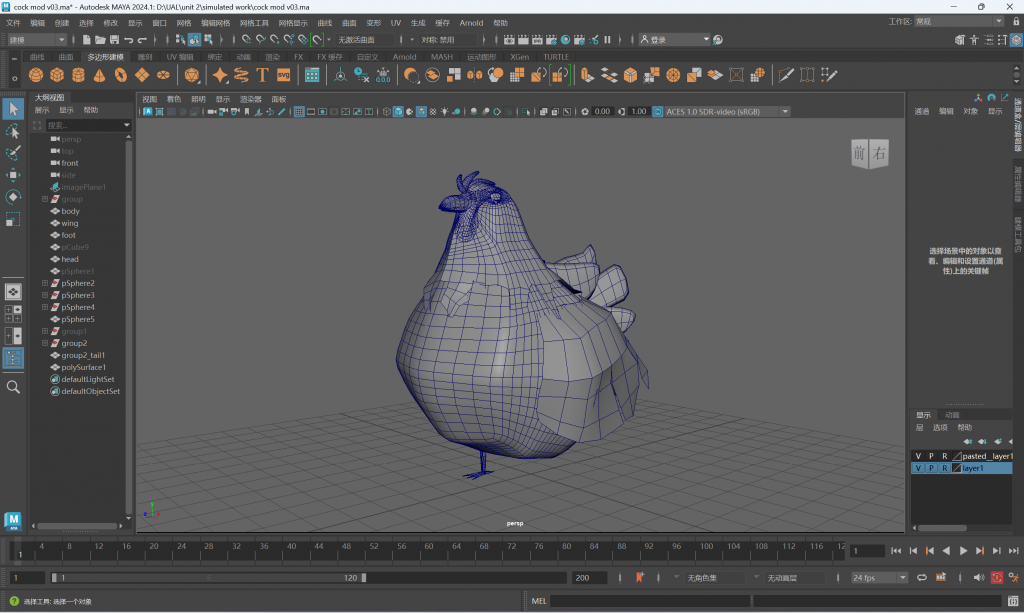
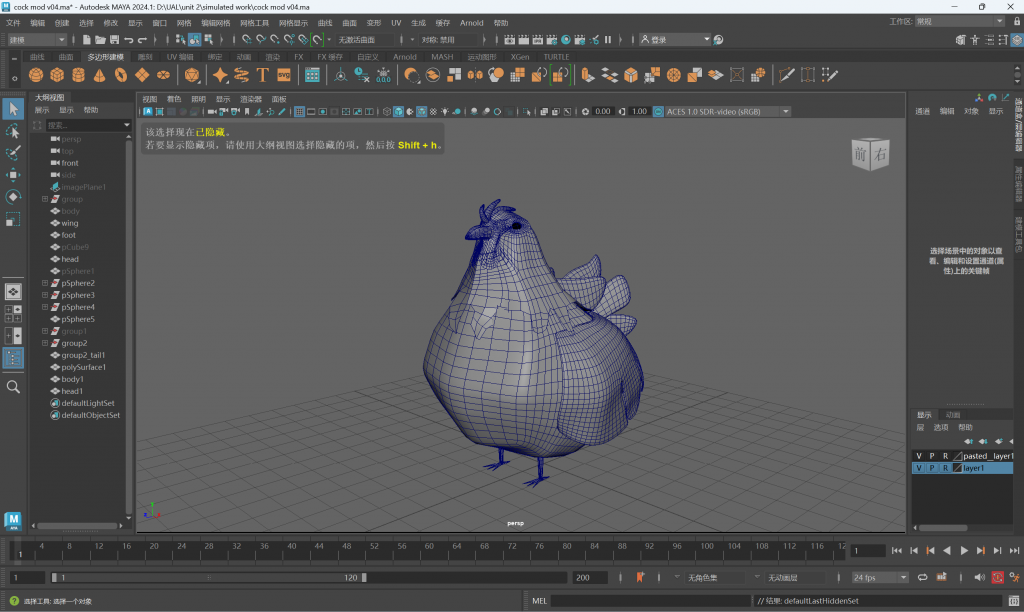
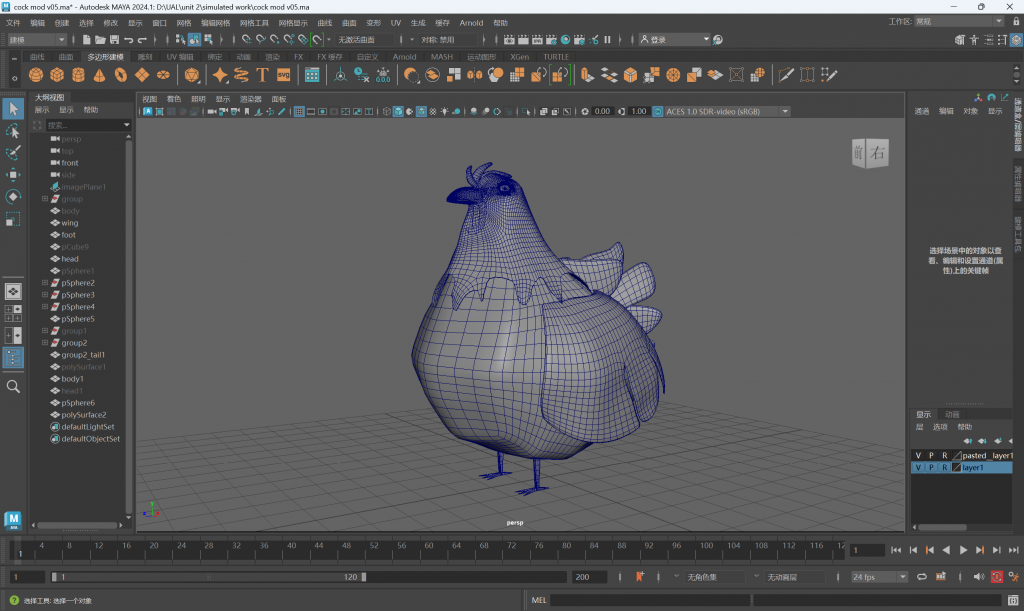
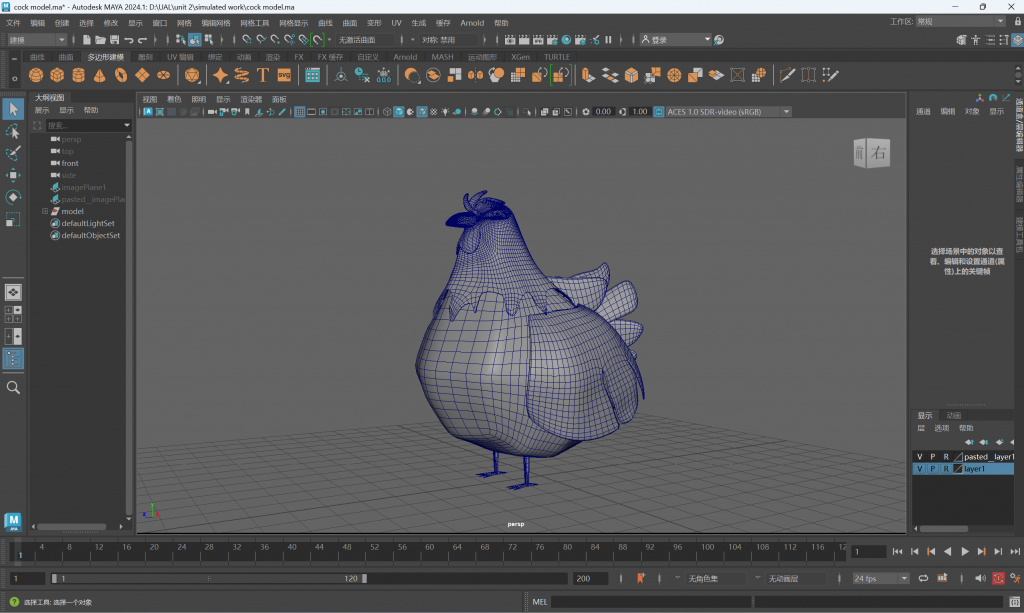
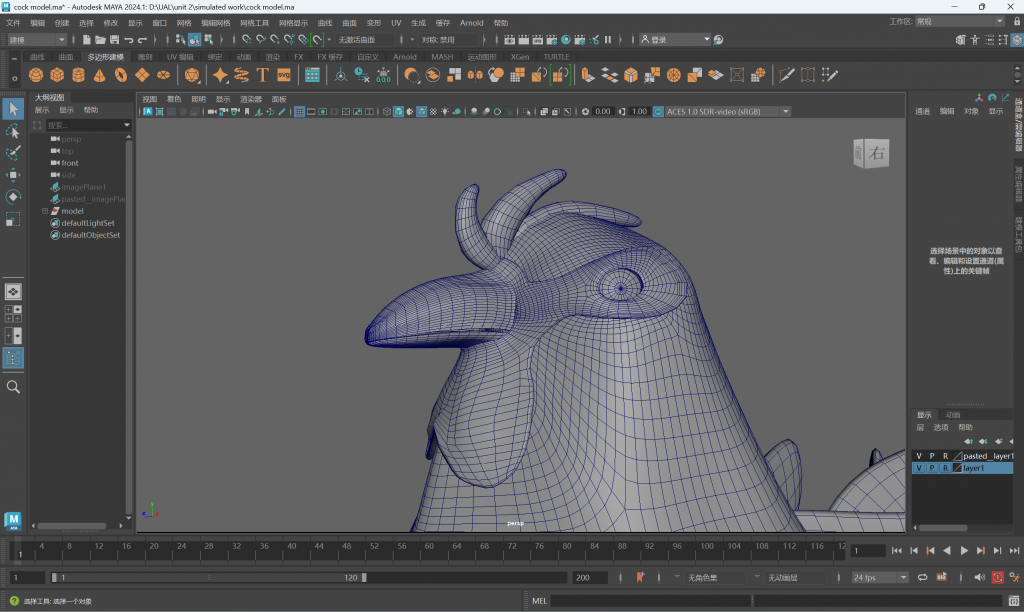
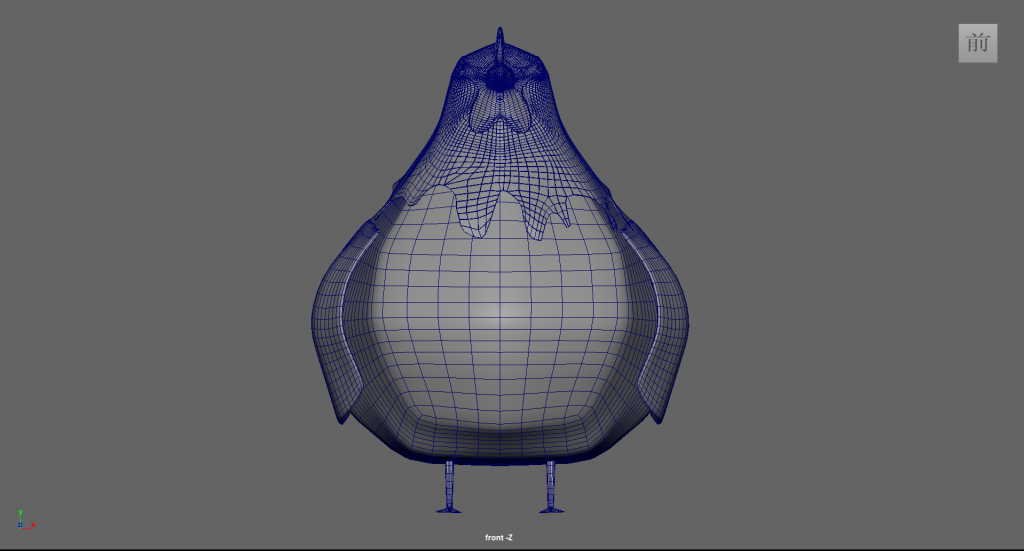
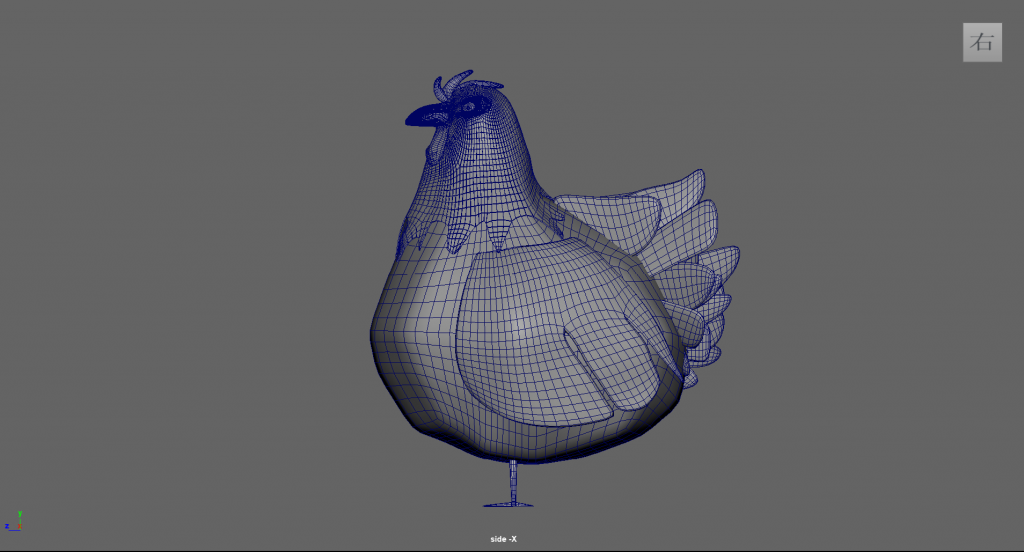
In the 3D area, I have been following a veteran instructor with decades of industry experience in Maya and Blender, from whom I have also learned valuable insights about how the industry works. In the previous unit, I created a short Blender animation based on his tutorials, which left a strong impression on my friends and tutors. More recently, I studied more of his tutorials and listened to his advice on becoming a 3D animator and finding a personal style. His work features a lively, appealing cel-shaded 3D style, using clever technical tricks to simplify complex 3D workflows. This kind of stylized 3D approach is increasingly popular in both film and independent animation, offering a fresh alternative to traditional photorealistic CG.

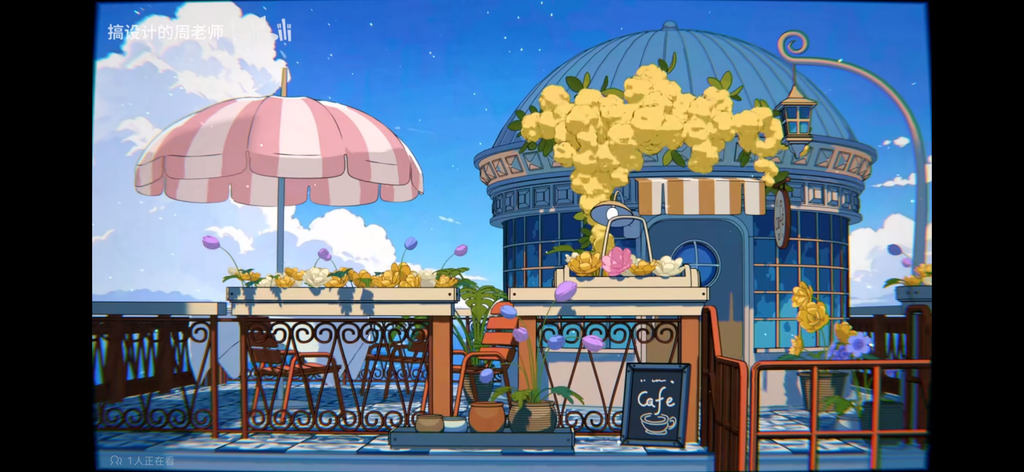
At the same time, 3D-assisted workflows are widely used in commercial illustration and 2D animation today. I have also benefited greatly from my 3D experience, as it allows me to flexibly use 3D tools to assist my drawing and animation process.
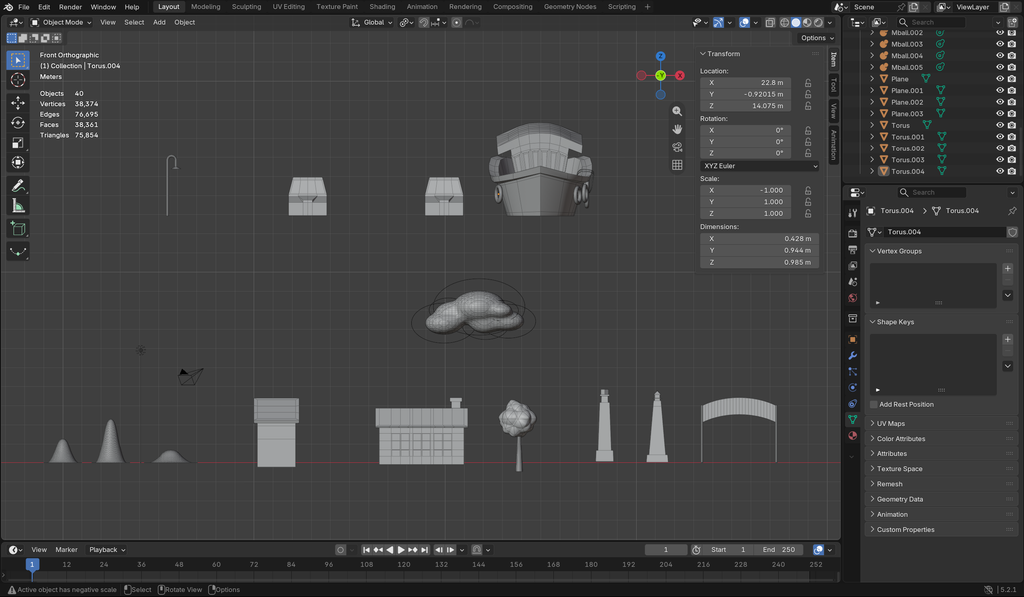
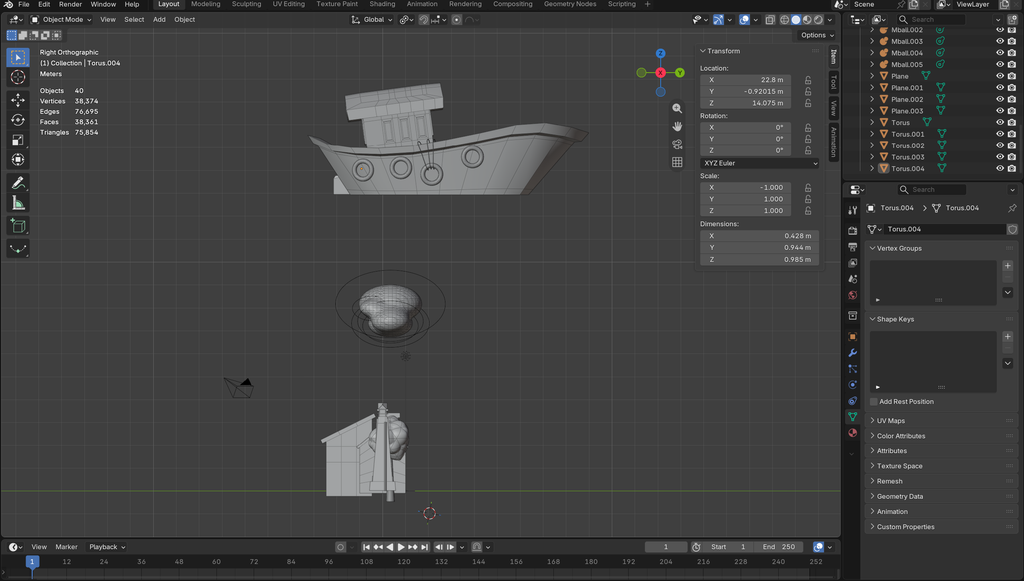
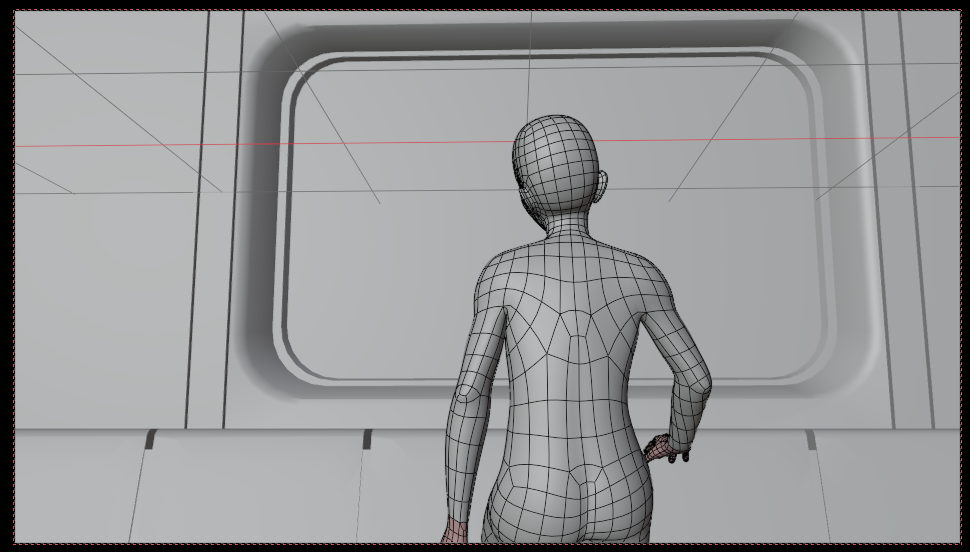
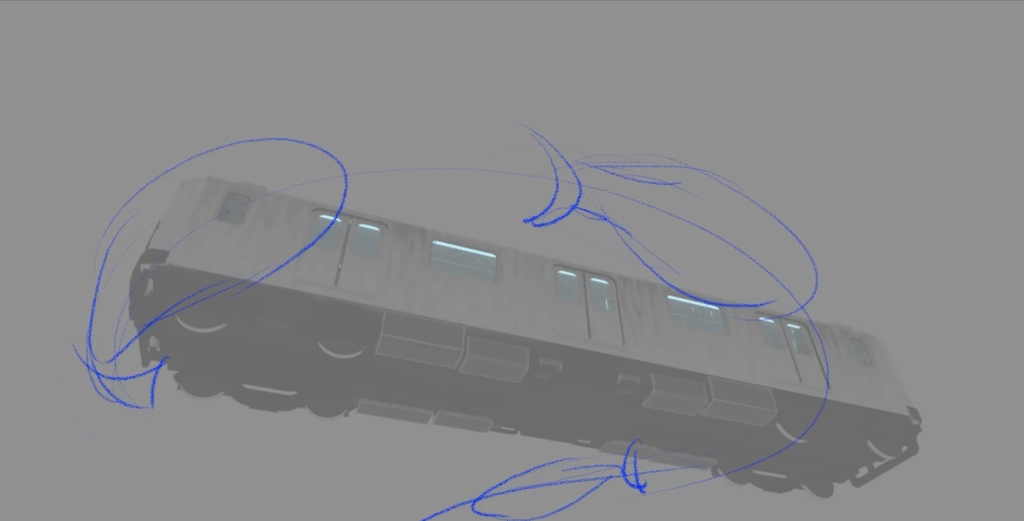
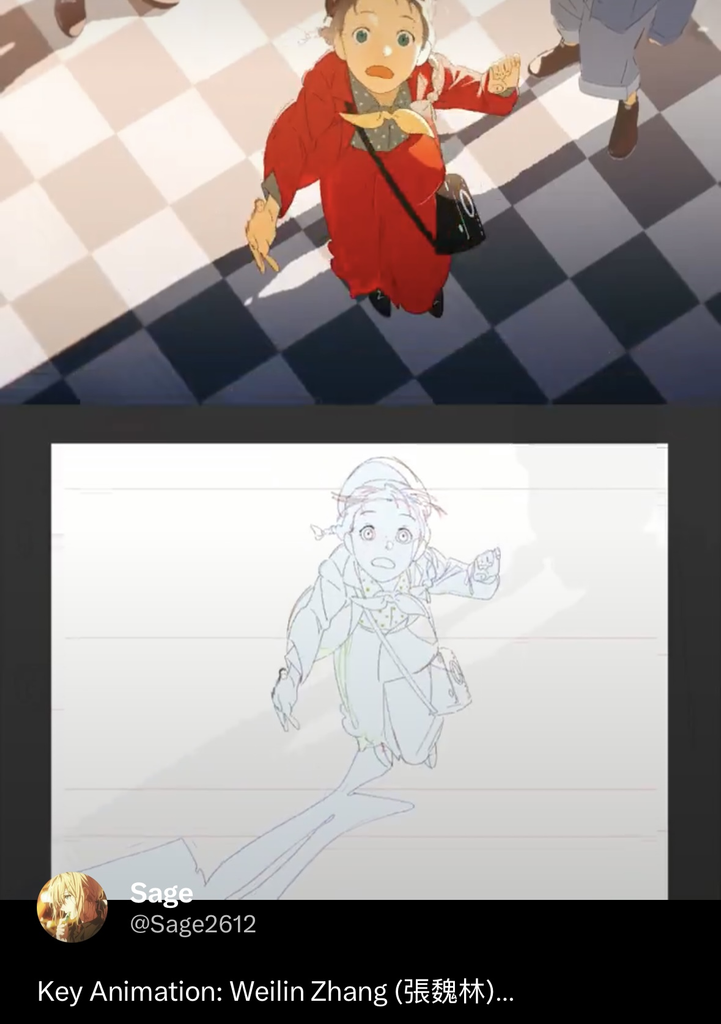
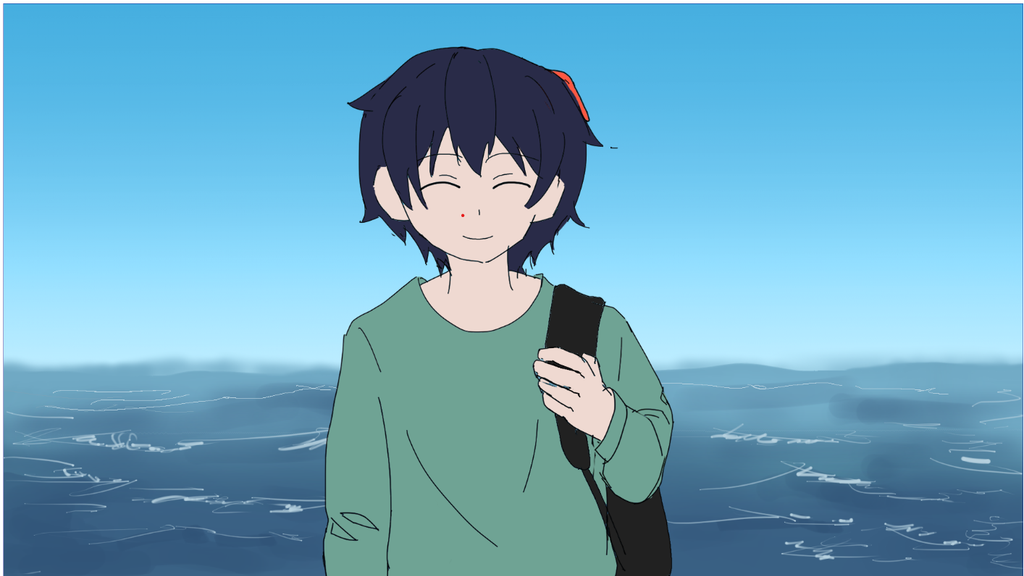
In the 2D area, I also had plenty of interaction with a professional illustrator over this past summer. Alongside teaching drawing techniques, he shared his real-world career experiences and practical advice on how to break into the industry as a professional illustrator or animator. Through these conversations, I learned a great deal about aspects of the profession that were completely new to me.
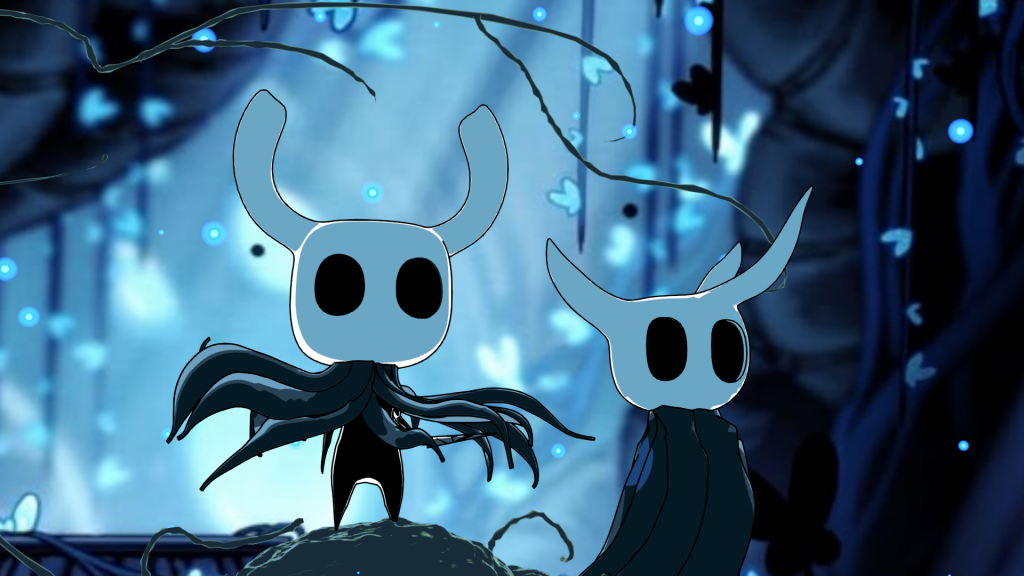
Under his guidance, I was able to complete full illustrations for the first time, focusing mainly on game and animation characters. Creating several of these pieces over the summer not only improved my foundational drawing skills, but also helped me better understand composition, color, and camera perspective when working in animation software and using 3D-assisstance. Through his paint-over feedback, I gained a much clearer sense of the gap between my current level and industry standards, and allowing me to learn directly from a working professional.
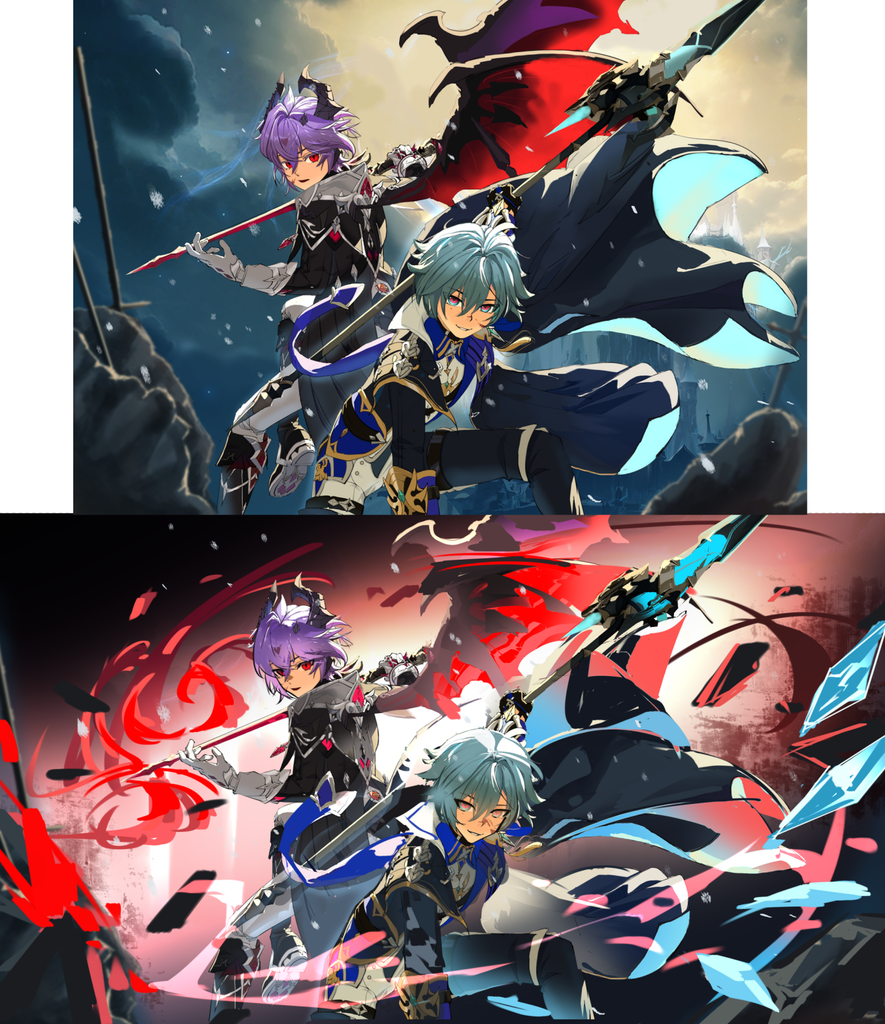
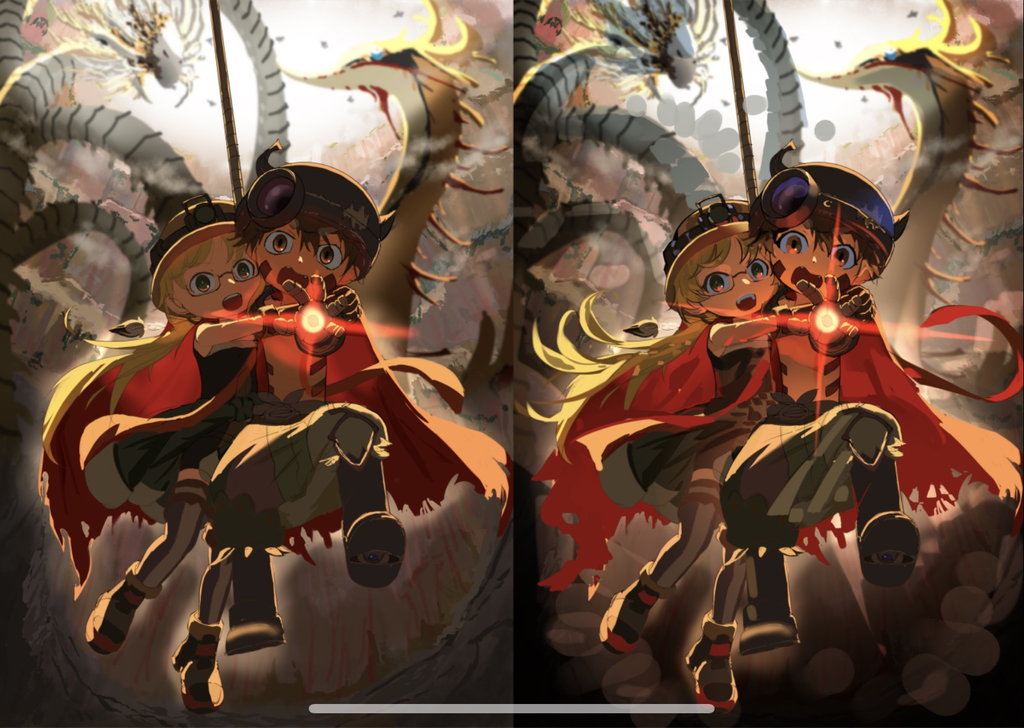
I have a strong passion and interest in both paths, though I am still exploring which specific direction to specialize in. Looking ahead, I will try to look for opportunities in both fields. My future learning path may ultimately depend on whether my first professional opportunity is about 3D or 2D production.